
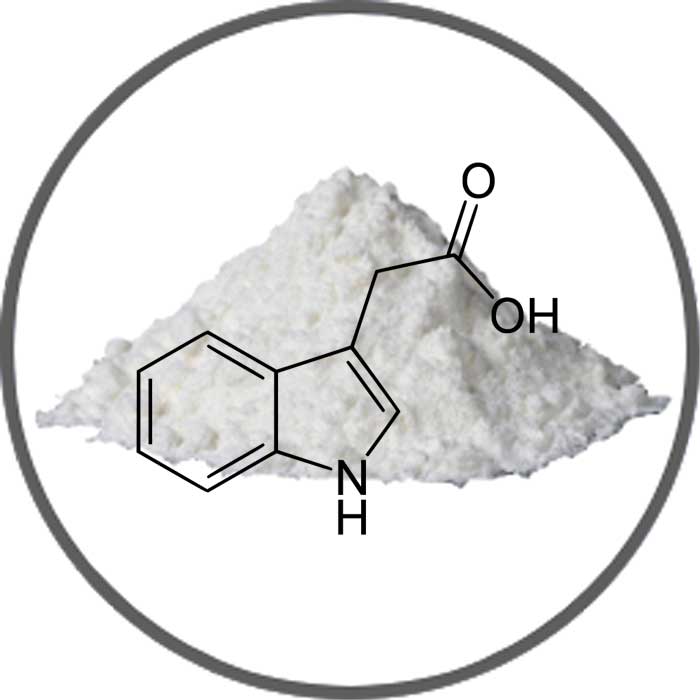
Indole-3-acetic acid (IAA) is a naturally occurring plant hormone that plays an essential role in the growth and development of plants. In plant tissue culture, IAA is commonly used to promote cell division and elongation, root and shoot development, and callus formation.
IAA can be added directly to the culture medium or applied as a solution to plant cuttings. The optimal dosage of IAA varies depending on the plant species and the desired outcome. Generally, concentrations of IAA in the range of 0.1 to 10 mg/L are used in plant tissue culture, although some species may require higher or lower concentrations. It’s essential to use the correct concentration of IAA to achieve the desired results, as excessive amounts of IAA can be harmful to plant tissues.
One of the challenges of working with IAA in plant tissue culture is its sensitivity to light and temperature. IAA can be easily degraded by exposure to light or high temperatures, which can affect its effectiveness. Therefore, it’s important to store IAA in a cool, dark place and to add it to the medium or apply it to plant cuttings as quickly as possible after preparation.
Overall, IAA is an essential component of plant tissue culture media and has enabled researchers to study plant growth and development in a controlled laboratory environment. Its ability to promote cell division and elongation, root and shoot development, and callus formation has made it a valuable tool for plant biotechnology research.
* All prices EXCL. VAT, Shipping & packaging

Reviews
There are no reviews yet.