
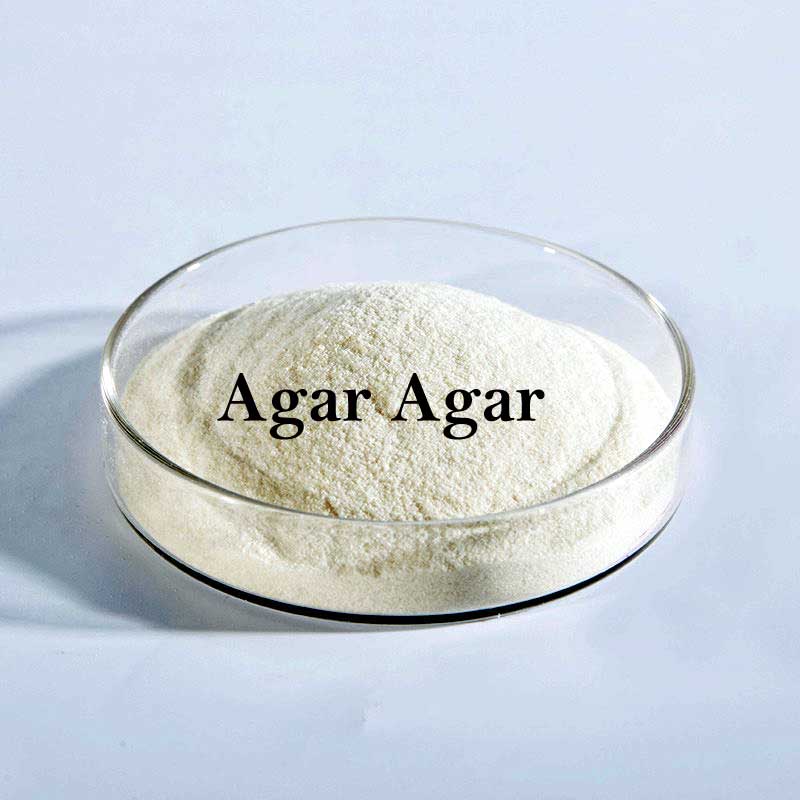
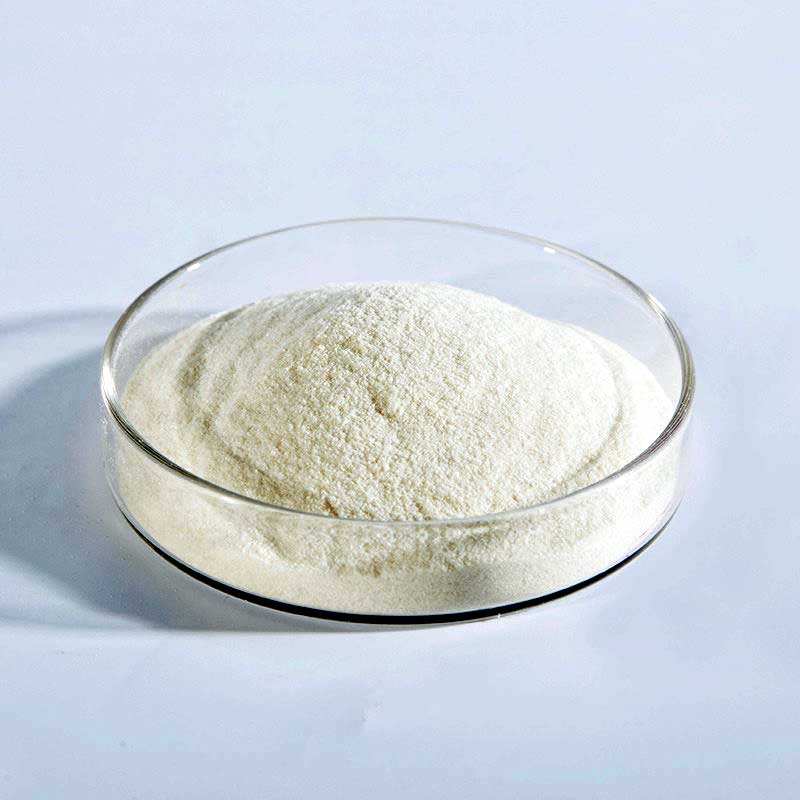
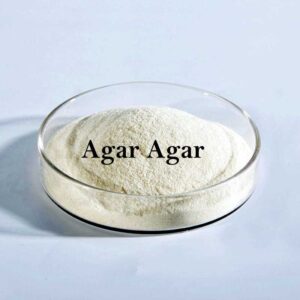
Agar Agar plant tissue culture gelling agent
Agar agar is a gelatinous substance derived from certain types of seaweed, particularly red algae. It is commonly used in plant tissue culture as a gelling agent to solidify the nutrient solution and provide a surface for the growth of plant cells and tissues.
The process of making agar agar starts by harvesting the seaweed from the ocean. The seaweed is then washed thoroughly to remove any sand or debris and is dried in the sun or by artificial means. The dried seaweed is then boiled in water to extract the agar agar. The solution is then filtered to remove any impurities, and the agar agar is allowed to cool and solidify into blocks or strips. These blocks or strips can then be stored for later use or processed further to make powder or flakes.
Agar agar is the preferred gelling agent in plant tissue culture because of its many advantages. First, it is easy to work with and provides a consistent surface for plant growth, which is essential for accurate experiments and research. Second, agar agar is more resistant to microbial contamination than some other gelling agents, which is critical for maintaining a sterile environment in the lab. Third, agar agar allows for the transfer of plant cultures between media, which is necessary for the maintenance and propagation of plant cultures. Finally, agar agar facilitates the rooting of plantlets, which is an essential step in the propagation of many plant species.
* All prices EXCL. VAT, Shipping & packaging
Reviews
There are no reviews yet.