
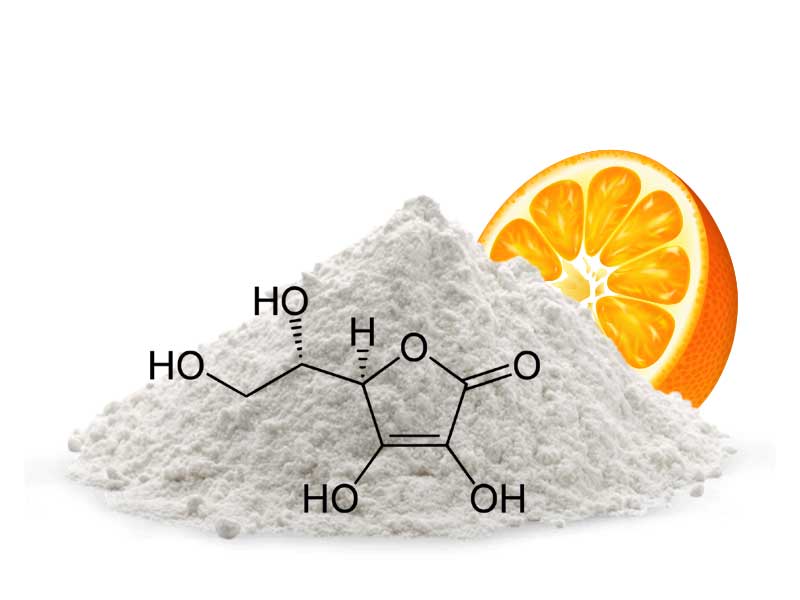
Ascorbic acid
Ascorbic acid, also known as vitamin C, is a widely used antioxidant and reducing agent in plant tissue culture. When added to the culture medium, it plays a crucial role in protecting the plant tissues from oxidative damage and promoting growth and development. Ascorbic acid is one of the most important components of plant tissue culture media due to its multiple beneficial effects.
One of the primary functions of ascorbic acid in plant tissue culture is to scavenge reactive oxygen species (ROS) that are generated as byproducts of cellular respiration. ROS can damage DNA, proteins, and lipids, leading to oxidative stress and cellular damage. By neutralizing these ROS, ascorbic acid helps prevent cellular damage and promotes cell proliferation and differentiation. This property of ascorbic acid makes it an important ingredient in plant tissue culture media.
Ascorbic acid has also been shown to improve the quality of plant tissue culture by reducing the effects of stress caused by environmental factors such as high light intensity, high temperature, and high salt concentrations. These stress factors can significantly reduce plant growth and development, but ascorbic acid can help mitigate their negative effects. Additionally, ascorbic acid can enhance the synthesis of plant growth regulators such as auxins and cytokinins, which are essential for plant growth and development.
When using ascorbic acid in plant tissue culture, it’s essential to note that it can be autoclaved along with other components of the medium. However, ascorbic acid is sensitive to heat and light, and prolonged exposure to high temperatures can lead to its degradation. Therefore, it’s crucial to prepare the medium fresh or store it in a cool, dark place to minimize the degradation of ascorbic acid. Additionally, the concentration of ascorbic acid in the medium should be carefully adjusted to avoid toxicity, as excessive amounts of ascorbic acid can be harmful to plant tissues.
The optimal concentration of ascorbic acid varies depending on the plant species and culture conditions. Generally, concentrations of ascorbic acid in the range of 25-100 mg/L have been used successfully in plant tissue culture, although higher concentrations up to 500 mg/L have been reported for certain plant species. However, it’s important to note that high concentrations of ascorbic acid can also have negative effects on plant growth and development, so it’s essential to optimize the concentration for each individual plant species and culture condition.
Lastly, ascorbic acid should be added to the medium just prior to autoclaving to minimize its degradation during sterilization. In summary, the addition of ascorbic acid to plant tissue culture media can significantly improve plant growth, development, and overall quality by protecting against oxidative damage and promoting the synthesis of growth regulators. The optimal concentration of ascorbic acid should be carefully adjusted to avoid toxicity and maximize its beneficial effects.
* All prices EXCL. VAT, Shipping & packaging

Reviews
There are no reviews yet.