
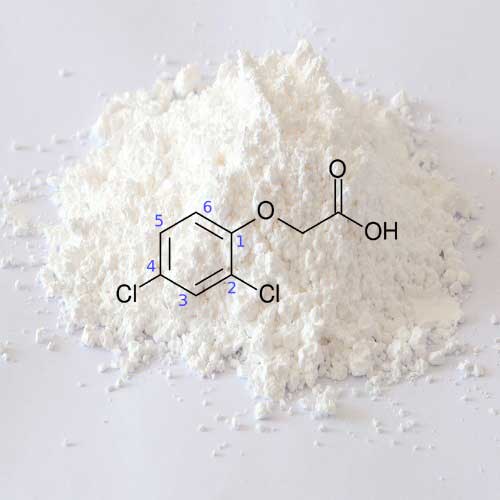
2,4-Dichlorophenoxyacetic acid (2,4-D) is a synthetic auxin that mimics the effects of natural auxins in plants, regulating processes such as cell division, elongation, and differentiation. In plant tissue culture, 2,4-D is commonly used in combination with other growth regulators to stimulate the formation of roots or callus tissue from explants.
However, 2,4-D can also have negative effects if used improperly. High doses or prolonged exposure to 2,4-D can cause damage to plant tissues, including stunted growth, leaf curling, and even death. Additionally, improper application or runoff of 2,4-D in agricultural settings can harm non-target plants, wildlife, and the environment. Therefore, it is important to follow proper dosage and application guidelines and use caution when working with 2,4-D.
The recommended dose of 2,4-D varies depending on the specific application and plant species. In plant tissue culture, the optimal concentration of 2,4-D depends on the type of tissue being cultured and the desired outcome. Generally, concentrations of 0.5-5 mg/L of 2,4-D are used to induce callus formation, while concentrations of 0.01-0.1 mg/L are used for rooting. However, the optimal concentration can vary depending on the plant species and culture conditions.
* All prices EXCL. VAT, Shipping & packaging

Reviews
There are no reviews yet.